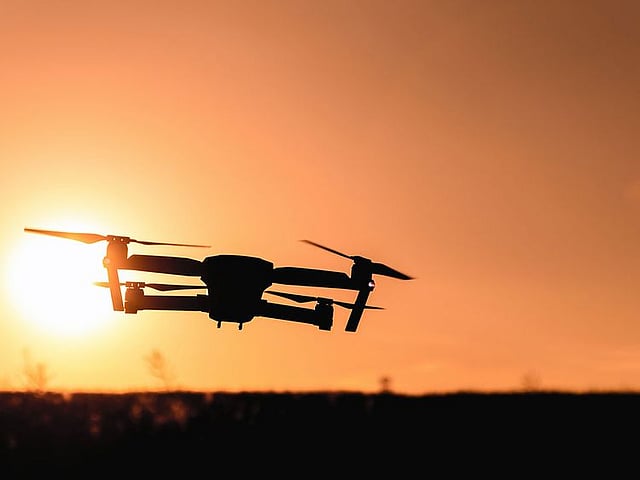
Drone technology is transforming industries such as agriculture, logistics, filmmaking, surveillance, and mapping. While many people learn how to operate drones, there is also a growing demand for professionals who understand how drones are designed, assembled, and maintained. This is where a drone building course becomes valuable.Drone building training teaches students how drones work internally, from electronic components to flight systems, so they can design, assemble, and repair drones. Whether you are a technology enthusiast, engineering student, or someone exploring a future career in robotics and aviation, learning to build drones can open the door to many opportunities.
What Is a Drone Building Course?
When you speak of the Drone building training program, you may well be talking about the technical side of the process; they provide a pretty comprehensive education in UAV terrain. So, instead of teaching students to fly, the stress is laid toward making students the masters in taking drones, screw by screw, and training them in the science of building drones from scratch.Normally, the program employs a combination of theory in the morning and practical sessions in the afternoon. The second half of the program usually involves participating students in the complete assembly of at least a drone and flight testing inside a controlled environment.Modules in such training programs are usually but not limited to:
An introduction to drone technology and UAV systems
Fundamentals of aerodynamics and flight
The various components of a drone such as motors, propellers, and batteries
Assembling and mounting drone flight controller systems
Calibrating and configuring flight controllers for simplicity
Assembly test and drone piloting in a training situation
Many programs prefer a hands-on approach to learning so that students can build and test drones safely.
Why Drone Building Skills Are Important
The drone industry is expanding rapidly, with many companies seeking professionals with the knowledge in drone systems’ engineering and maintenance.Once the drone pilot operates drones, drone builders and technicians ensure that the hardware works correctly. Some callings under their responsibilities include the ability to design drones for certain tasks, to repair any damaged units, and to upgrade systems.This will offer one a better technical understanding compared with just learning how to fly the drone.The following are the key uses in this respect:
Understanding the functioning of drone hardware
Ability to repair or modify drones
Designing a customized drone in association with various jobs
Enhancing technical skills useful in the fields of robotics and aerospace
These qualifications spell success for students who are looking forward to careers in electronics, robotics, or mechanical engineering.
What You Learn in Drone Building Training
Building Drone lessons are essentially courses that teach the full life cycle of the drone-from design to flight testing.The first thing that students need to know is how the drones work. In this module, the various types of drones, their applications across various industry segments, and the basic aerodynamics behind their flight are discussed.Understanding these core tenets is essential for students who wish to understand the concepts of drone stability and control during flight.Drone Components and ElectronicsThe various components that make a drone system are put into perspective. The online drone training academy breaks down every single component.Key components include the following:
Motored Propellers
Electronic Speed Controllers (ESC)
Flight Controllers
GPS modules
Battery systems and power distribution boards
Students must understand the nature of these components and how they unite to make the drone a viable construct.
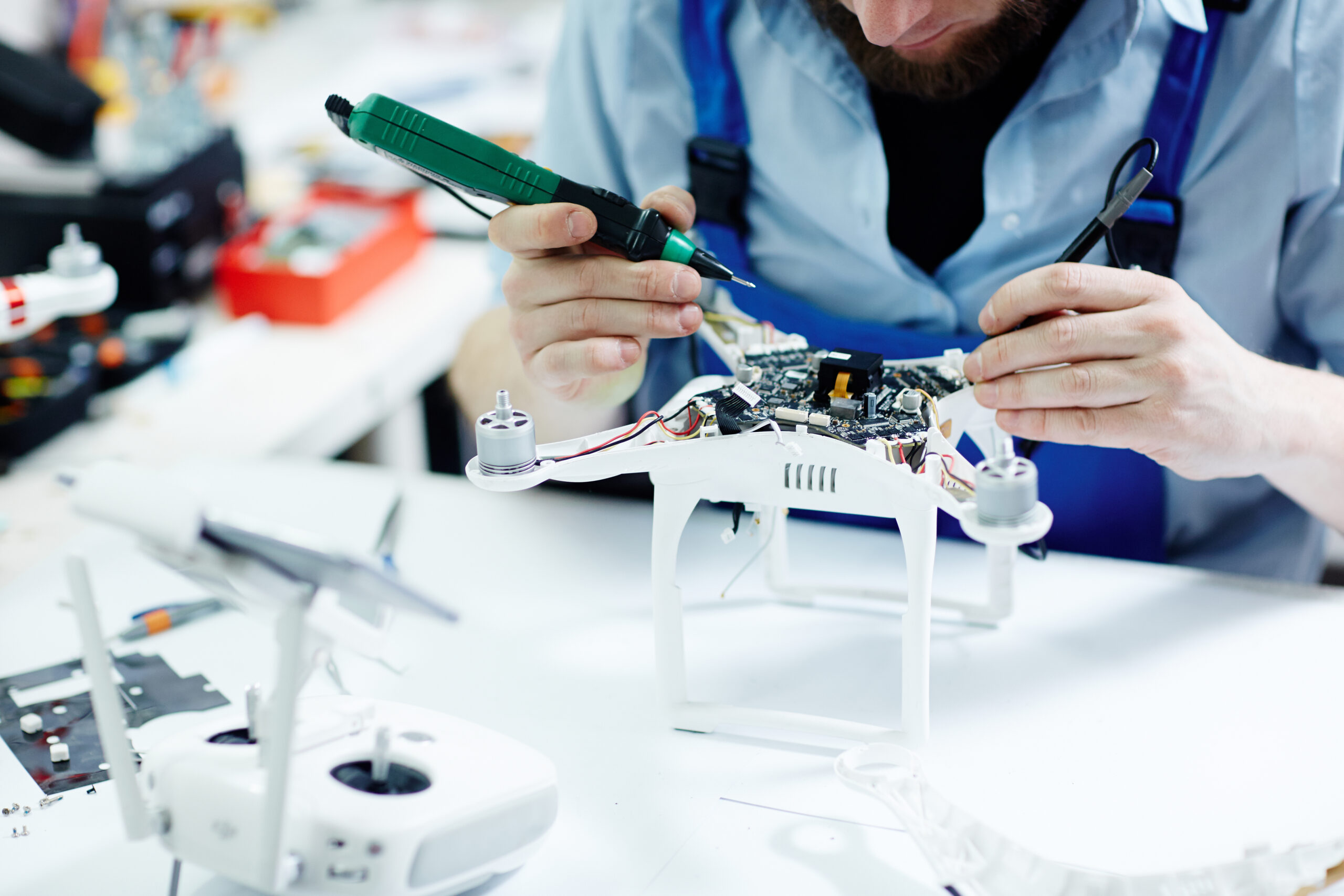
Drone Assembly and Wiring
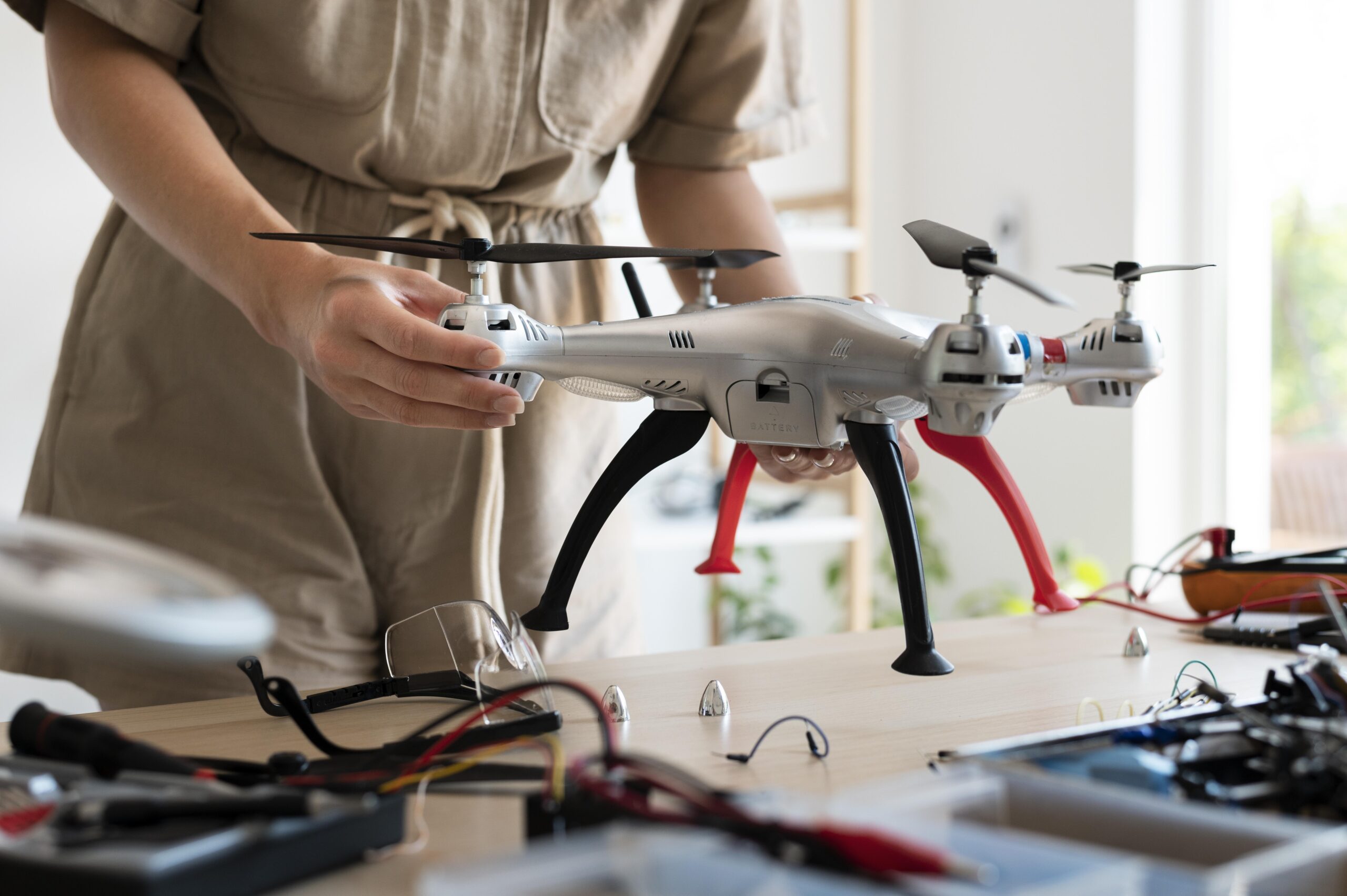
Hands-on assembly is one of the most significant elements in training.Students are being generally instructed on how to install engines, motors along with propellers, connect ESCs along with power systems, integrate FC along with sensors and also perform an initial run of soldering and wire-pairing activities through hands-on assembly. It is by means of hands-on assembly that students gain a deep understanding of a drone’s mechanical and electronic configuration.Software Configuration and CalibrationOnce the hardware has been put together, a drone will need to be configured by means of specialized software. A huge area of training starts off with installing firmware, calibrating sensors, configuring the controller, and and making flight-adjustment inputs.Data Collection and PerformanceThe right configuration ensures safety in flight and a direct reaction to the pilot’s commands.Testing and Flight PracticeWhen ready, students need to test the construction and configuration process.This could involve showing how students prepare for pre-flight security checks and operations, do manual flying, and test autonomous flight modes as well as troubleshoot the most common problems.Practical flight sessions allow learners to evaluate the performance of the drone they built.
Who Should Take a Drone Building Course?
The drone building training is highly inclined towards a diverse range of participants’ learning styles.
Students and Hobbyists
Students aiming to get perfectly knuckled with drones or else go forth and play up with robotics, electronics, or aerospace engineering with an eye toward attaining the experience required from engineering projects will find a course a great chance to gain these invaluable hands-on hours of experience.
Drone Geeks
Enthusiasts could choose to build their own drones for either racing, photography, or just general experimentation simply because they adore drones.
Entrepreneurs in Technology
Some entrepreneurs will experiment with drone building with the creation of a completely new unmanned system or service.
Drone Professionals
Individuals already working in industries such as surveying, agriculture, filmmaking, or inspection surely seek more in-depth knowledge to comprehend with what they are dealing in.
Duration and Structure of Drone Building Training
Drone building courses are usually short technical courses.
Typical duration of training:
Duration of 3–5 days for beginner workshop
From 1 or 2 weeks for advanced programs
The longer certification programs which go nto More Detail on Technical Instruction.
Many programs focus heavily on practical learning where students build and test drones themselves.Career Opportunities After Drone Building TrainingDrone construction class completion can carry a lot of great job opportunities in the drone industry that is on a fast growth trajectory at present.
Rig Making
Technicians that employ the cconstructiondrones, which are used on assembling, calibrating, and testing of drone hardware, are in demand.2. Drone RepairmanMechanics handle breakdowns, repairs, and servicing of drones developed and used in agriculture, surveying, and logistics.
Drone Conceptualizer
People with technical knacks are the kind of folk needed to work on molding and shaping newer drone models or parts.
Drone Innovation
Engineers who innovate the field work on upgrading flight performance, sensors, and other components of it. engineering needs and automation systems.
Training for Drone Building
For those who have enough expertise, they may become drone assembly and operational teachers.
Self-employment
There are folks who set out to begin very specific businesses in drone areas; drones fixing, drone-making startups, and drone assembly for industrial clients.
Industries Using Drone Technology
In broad sectors, drone building and piloting are essential.Some of the most promising areas are:
Agriculture and crop surveillance
Construction and land measurement
Photography and filmmaking taken from the air
Exploration of infrastructures
Dealing with disasters
Logistics and transport
With the increase in expansion and utilization in drones, empowering the workforce comprising experts is indeed a matter of serious concern.
Skills Needed for Drone Construction
Construction of drones is all about having technical and analytical competence.There are a number of things that are quite important:
The Basic knowledge of electronics
Knowing how to mechanically assemble
Programming and customization in software
The ability to solve problems
Attentive for safety and quality
A majority of training programs are structured for entry-level contenders; however, prospective students may gain some advantages with prior knowledge in the area.
Why Choose Professional Drone Training
The online tutorials for drone building show learners the necessary skills but professional training offers multiple benefits.
Structured Learning
The course structure uses an expert-designed step-by-step system to guide students through their learning process.
Hands-on Experience
The program enables students to build actual drone systems, which helps them develop their practical skills.
Access to Equipment
The training centers offer professional equipment and complete drone systems for student use.
Industry Certification
The completion of an accredited course increases your professional standing, which helps you secure employment or freelance work.
The Future of Drone Technology
Drone technology is undergoing rapid development because of new breakthroughs in artificial intelligence and automation and aerial data collection technology.The field will develop through unmanned aerial vehicle delivery systems and advanced agricultural monitoring drones and smart city surveillance systems and AI-powered industrial inspection drones.The next generation of drone technology development will depend on professionals who possess knowledge about both drone design and drone assembly processes.
Conclusion
Drone technology has become one of the fastest-growing sectors within the fields of modern aviation and robotics. The ability to operate drones proves essential yet the technical skills needed for drone construction and maintenance work hold equal significance.Through drone building training programs, students acquire practical experience with drone components and electronics and software setup and flight evaluation processes. The acquired skills enable students to pursue careers in drone production and technical support and research and technological advancement.The rapid growth of the drone-building industry offers students and professionals and technology enthusiasts their first opportunity to enter the field while they shape the future of aerial technology.